Cricket News, IPL 2026, Nuwan Thushara, Cricket Updates
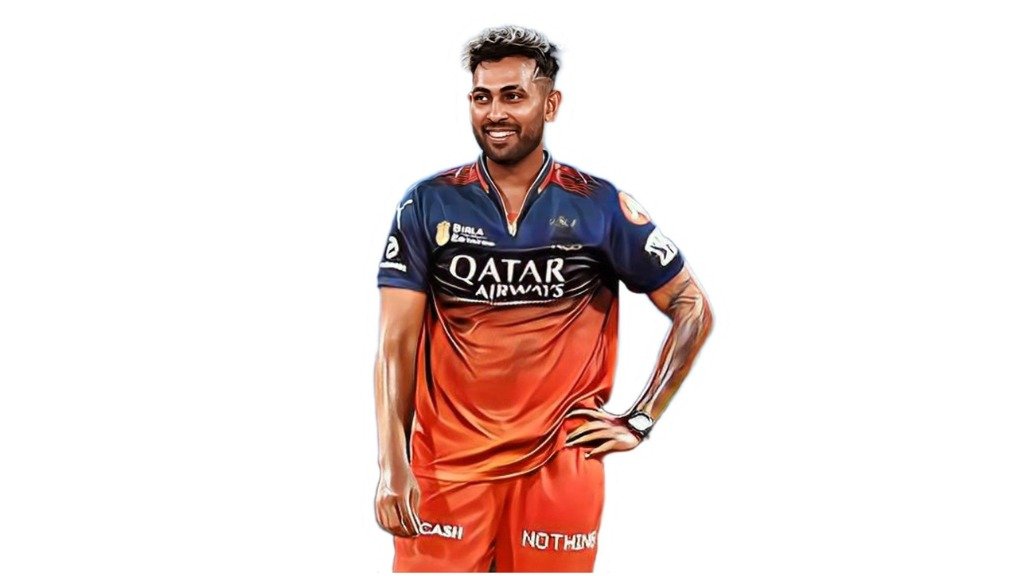
Sri Lanka fast bowler Nuwan Thushara has taken legal action against Sri Lanka Cricket (SLC) after being denied a no-objection certificate (NOC) to participate in the Indian Premier League (IPL). The case, filed in the Colombo District Court, challenges the board’s decision to withhold permission based on newly introduced fitness standards.
Thushara, who was set to represent Royal Challengers Bengaluru in the IPL, argues that SLC’s refusal is unjustified since his central contract expired on March 31, 2026. He had planned to step away from international cricket afterward, making the requirement for an NOC—typically governed by national boards—an unreasonable restriction on his professional opportunities.
The lawsuit names several top SLC officials as defendants, including president Shammi Silva, secretary Bandula Dissanayake, treasurer Sujeewa Godaliyadda, and CEO Ashley de Silva. The case is scheduled to resume on April 9, following a court closure over the Easter weekend.
Given the timing, Thushara is almost certain to miss a significant portion of the IPL, which began on March 28, even if the court ultimately rules in his favor.
Dispute Over Fitness Criteria
At the heart of the dispute is SLC’s decision to deny the NOC based on Thushara’s failure to meet newly enforced fitness benchmarks. These standards, introduced after Sri Lanka’s disappointing performance in the recent T20 World Cup, include a series of tests such as a 2km run, sprinting drills, agility assessments, skinfold measurements, and vertical jump evaluations.
The fitness program is overseen by a selection panel led by former fast bowler Pramodya Wickramasinghe. Players must achieve a minimum score to be considered eligible for selection, with particular emphasis placed on endurance and body composition metrics.
However, Thushara contends that such fitness requirements were not previously used as criteria for granting NOCs. He also maintains that his fitness levels are consistent with past seasons, during which he was granted permission to play in overseas leagues.
Legal and Regulatory Context
Under regulations set by the International Cricket Council (ICC), players must obtain an NOC from their home board to participate in foreign leagues. However, the ICC does not specify the criteria for issuing these certificates, leaving boards with broad discretion.
Thushara’s legal challenge raises a critical question: can a cricket board enforce internal policies—such as fitness standards—on a player who is no longer under contract?
Precedent From South Africa
The case draws parallels with a recent legal battle involving South African spinner Tabraiz Shamsi and Cricket South Africa (CSA). In that instance, the Johannesburg High Court ruled in favor of Shamsi, who had been denied an NOC to play in a competing league despite not holding a central contract.
The court determined that CSA’s refusal was driven by commercial interests rather than contractual obligations, setting a precedent that boards cannot restrict out-of-contract players from pursuing opportunities abroad.
Wider Implications
Thushara’s case could have far-reaching implications for international cricket, particularly regarding player autonomy and the authority of national boards. If the court sides with him, it may further limit the power of cricket boards to regulate players who are no longer under formal contracts.
For now, however, the immediate impact is clear: Thushara is set to miss valuable IPL playing time while the legal battle unfolds.